How Tree Removal Metairie Professionals Tackle Hard-to-Reach Trees
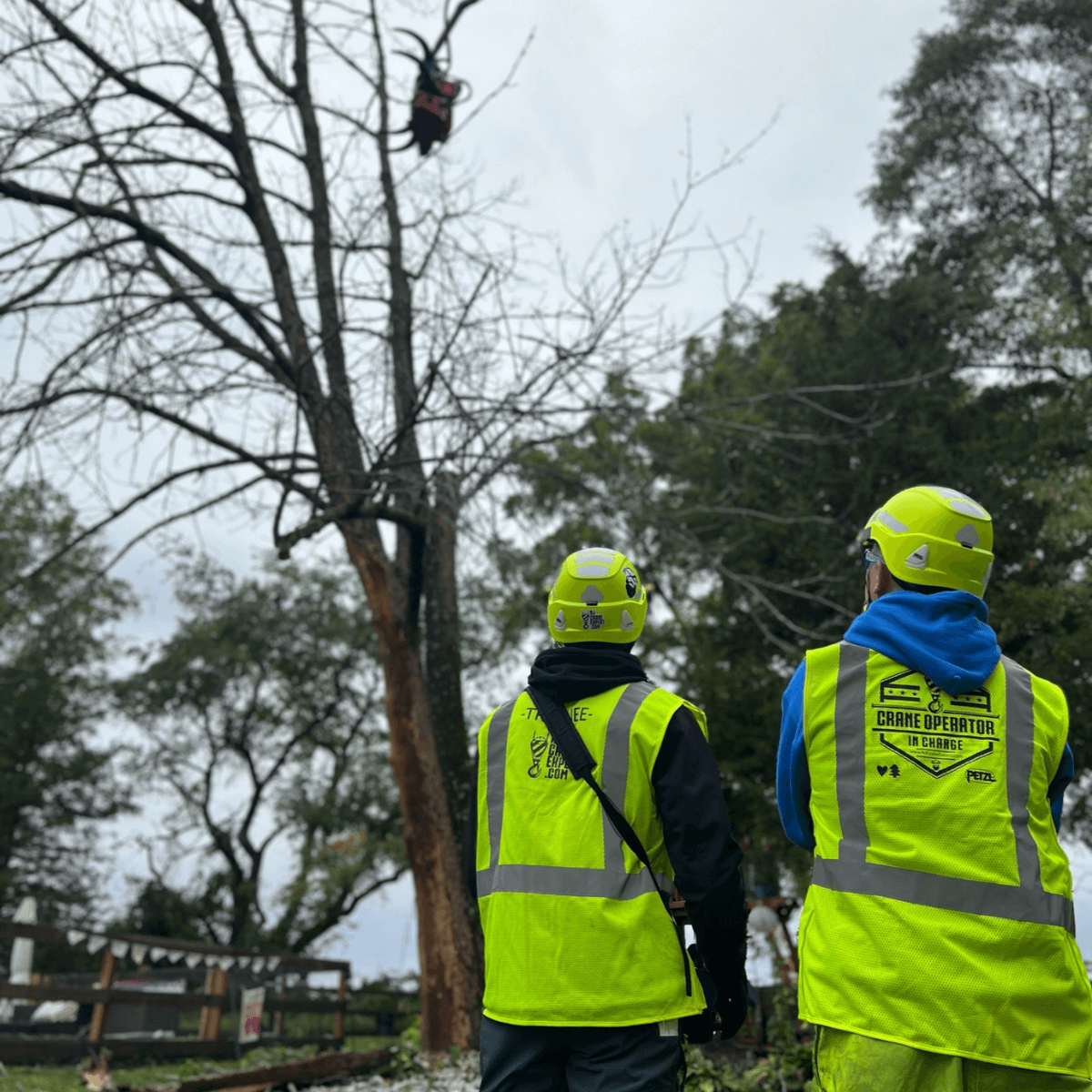

Hard-to-reach trees change the job from straightforward removal to careful technical work. In Metairie, that usually means tight side yards, backyard trees boxed in by fences, old oaks leaning over roofs, or trunks growing close to power lines, pools, sheds, and neighboring properties. On paper, it sounds like a matter of cutting the tree down piece by piece. In practice, every cut affects weight, swing, balance, and where several hundred pounds of wood wants to go next.
That is why difficult removals demand more than chainsaw skill. They require judgment. A crew has to read the tree, the site, the weather, the access path, and the weakest points in the surrounding property. Professionals who handle tree removal Metairie jobs every week know that hard access often matters as much as tree size. A 35-foot tree trapped between a home and a detached garage can be more complicated than a 70-foot pine standing alone in an open lot.
The public often sees only the final result, a clean yard and a stump where the tree used to be. What they do not see is the planning that happens before the first saw starts. That planning is what separates controlled removal from expensive damage.
Why access changes everything
A reachable tree gives a crew options. They may be able to drop sections into an open area, position equipment close to the trunk, and haul debris out quickly. A hard-to-reach tree strips away those options one by one.
In older Metairie neighborhoods, access can be especially tight. Gates may be narrow. Driveways may not support heavy machinery. Utility lines can cross the exact path where a limb would otherwise be lowered. Sometimes the backyard is landscaped with patios, irrigation lines, decorative fencing, and mature ornamentals that the homeowner wants protected. A crew then has to create a removal plan that treats the entire property as part of the job site.
This is where experienced crews start asking better questions. Can a bucket truck even reach the tree? If not, does the climber have a safe ascent path? Is the trunk sound enough to rig off, or is there internal decay that makes the anchor questionable? Can wood be lowered over the house without shock-loading a weak union? Will wet ground swallow a mini skid steer and leave ruts that cost more to fix than the cleanup itself?
Those details decide the method long before a branch hits the ground.
The first step is not cutting, it is inspection
The initial site visit tells professionals what kind of removal they are facing. A good estimator or crew leader does more than look up and guess a price. They inspect root flare, trunk condition, lean, canopy spread, deadwood, previous pruning wounds, and any visible signs of decay or pest damage. They also look down, at grade changes, drainage, paving, underground utilities, and access points for equipment.
A hard-to-reach tree often has one hidden issue that changes the plan entirely. A hollow stem can rule out certain rigging points. A cracked lead can force the climber to change tie-in positions. Saturated ground after a Louisiana rain can make cranes impractical or delay the work for safety.
Wind matters too. Even moderate gusts can complicate precision lowering in confined spaces. It is one thing to cut a limb that can drift into a lawn. It is another to lower that same limb between a roof edge and a fence with only a few feet of clearance. Professionals pay attention to the forecast because weather affects both safety and efficiency.
Climbing when machines cannot get close
Many hard-to-reach removals are climbing jobs. If a bucket truck cannot access the site, the arborist climbs using rope systems, harnesses, friction devices, and carefully chosen tie-in points. For homeowners, this can look old-fashioned compared with mechanized equipment, but in cramped spaces it is often the most precise option.
A skilled climber treats the tree like a structure with shifting load paths. Each move has to preserve stability while creating working positions for the next cut. On a healthy tree, the climber may ascend directly and remove outer limbs first to reduce weight. On a compromised tree, they may avoid loading suspect sections and advance more cautiously, sometimes using neighboring trees or supplemental rigging to improve safety.
The sequence matters. If the wrong branch comes off too early, the remaining canopy can redistribute weight in a way that increases lean or tension. I have seen medium-sized trees behave unpredictably after one heavy lateral was removed, especially where previous storm damage had already twisted the crown. That is why seasoned crews do not rush the dismantling order. They trim strategically, constantly recalculating balance.
In dense residential lots, climbers usually dismantle trees from the outside in. Small brush comes down first. Then larger limbs are rigged and lowered. Finally, the main stem is blocked down in sections sized to the available drop zone and the capacity of the rigging setup.
Rigging is where the real precision happens
Most homeowners think of removal as cutting. Professionals know that lowering wood safely is the harder part. Rigging lets a crew control how branches and trunk sections move through space. Without it, even a clean cut can become a dangerous swing.
Ropes, pulleys, blocks, friction devices, slings, and lowering bollards work together to manage force. The crew chooses rigging points based on wood strength, angle, expected load, and the path needed to avoid structures. A branch may be tied at one point if it can come down level, or at multiple points if it needs to stay balanced while being swung clear of a roof.
The challenge is not just the weight of the piece being lowered. It is the dynamic force created when that piece starts moving. A log section that weighs a few hundred pounds can generate much higher loading if allowed to drop even briefly before the rope catches it. Good crews avoid shock loading by choosing manageable piece sizes, using friction correctly, and maintaining communication between climber and ground crew.
That communication is usually short and direct. The best crews sound almost quiet. One climber calls the cut. One rope operator confirms. The rest of the team clears space, watches the path, and moves only when needed. On difficult tree removal Metairie projects, that kind of disciplined teamwork is what protects nearby roofs, fences, and vehicles.
When a crane becomes the safest option
Some hard-to-reach trees are simply better handled with a crane. This is common when a large tree overhangs a house, when the trunk is too compromised for climbing confidence, or when the work area is so restricted that there is no practical lowering zone.
Crane removals are not always the cheapest route, but they can reduce risk and time dramatically. Instead of lowering many small pieces through tight clearances, the crew can pick larger sections directly out of the canopy and lift them to a designated landing zone. Done well, that minimizes impact on the property and limits the time workers spend exposed in the tree.
Still, crane work demands its own planning. The operator needs stable setup space, awareness of overhead utilities, and enough boom reach to access the canopy without overloading the machine. The arborist and operator have to agree on pick weights, cut sequence, and swing path. Estimating wood weight is part experience, part caution. Wet oak, for example, can surprise people who are used to lighter species.
In neighborhoods where street access is limited or lawns are saturated, bringing in a crane may require mats or alternate positioning. That is why not every large removal gets a crane. The best method is the one the site will actually support safely.
Power lines change the job immediately
Trees near energized lines are in a different category. Homeowners often underestimate how much distance is needed for safety, or they assume any tree company can handle line-adjacent work. That is not the case.
If a tree is growing into service lines that feed a home, the utility may need to be contacted depending on the situation. If major conductors are involved, specialized line-clearance professionals are often required. A reputable company does not gamble around electricity. They define the limits of what they can do, coordinate when needed, and adjust the schedule if utility involvement is necessary.
That can frustrate homeowners who want immediate removal after a storm, but caution is the right call. Electricity makes an already technical removal much less forgiving. A branch that brushes the wrong line can injure workers, damage equipment, and cause outages beyond the property line.
Tight backyards require a different kind of logistics
Hard-to-reach trees are not only about canopy complexity. Sometimes the removal itself goes smoothly, but debris handling becomes the bottleneck. A tree in a fenced backyard with no alley access can generate a surprising amount of labor even after the last trunk section is on the ground.
Every limb has to be dragged, stacked, chipped, or carried out through narrow passages. Heavy wood rounds may need to be cut smaller to fit through a gate. If the crew uses a mini skid steer, they need enough room to maneuver without tearing up turf or clipping AC units, gutters, or posts. On premium landscapes, ground protection may be laid to prevent rutting and compaction.
This is one of the reasons estimates for difficult jobs vary so much. Two trees of similar tree removal metairie height may have very different labor profiles if one sits near the curb and the other sits behind a pool, past a fence, and under a pergola. Homeowners looking at quotes should understand they are not only paying for time with a chainsaw. They are paying for controlled handling from first cut to final haul-out.
Common methods used on difficult removals
Professionals choose technique based on structure, access, and hazard level. Most hard-to-reach removals rely on a mix of methods rather than one approach from start to finish.
- sectional dismantling by climber
- rigging and rope lowering
- crane-assisted picks
- use of compact equipment for debris movement
- manual removal where machinery cannot pass
Even that simple list hides dozens of judgment calls. Sectional dismantling sounds routine until the trunk leans toward a sunroom and has decay on the compression side. Manual removal sounds basic until every branch has to be threaded past antique fencing the homeowner wants untouched. The method is only as good as the crew applying it.
Protecting the property is part of the removal
A professional removal plan covers more than the tree. It should account for roof lines, windows, fences, sprinkler heads, pavers, septic zones, and neighboring lots. In close quarters, crews often lower branches in smaller pieces than strictly necessary because the cost of one mistake is too high.
For example, it may be faster to cut a long lateral in one large section, but if it has to clear a screened porch and then rotate away from a fence, smaller balanced cuts are the safer choice. That adds time. It also avoids broken framing, torn screens, and awkward arguments after the job.
Ground protection matters as well. Repeated foot traffic and log movement can scar lawns, especially when the soil is wet. Good companies set expectations up front. If conditions are muddy, some minor disturbance may be unavoidable, but they should explain what steps they take to minimize it. Honesty goes a long way here. No serious crew promises zero impact on every difficult removal because sometimes the site simply does not allow it. What matters is reducing damage intelligently and restoring the area as well as practical.
Storm-damaged trees are their own category
After storms, hard-to-reach removals become less predictable. Limbs can be hung up under tension, trunks can split without fully failing, and root plates can lift enough to destabilize the whole tree while still leaving it partly upright. These are not routine trimming conditions.
A storm-damaged tree over a home in Metairie may look stable from the driveway and completely different once a climber gets close. Fibers can be holding by very little. One cut in the wrong place can release pressure violently. That is why post-storm removals often proceed slower than homeowners expect.
Crews may use tag lines, tensioning systems, or mechanical assistance to stabilize sections before cutting. They may also decide that a crane is necessary even if the tree would not have required one under normal conditions. The storm changes the wood. It changes the loading. It changes the margin for error.
What homeowners should ask before hiring
A difficult removal deserves a more detailed conversation than a basic pruning job. Homeowners do not need to become arborists, but a few questions can reveal whether a company understands the complexity of the work.
- How will you access the tree and remove debris?
- Will the tree be climbed, rigged, or crane-assisted?
- What nearby structures or utilities affect the plan?
- How will you protect the lawn, fence, and roof areas?
- What changes might cause the price or timeline to shift?
The answers should sound specific, not generic. If someone glances at a tree boxed behind a garage and says they will “just drop it,” that is a warning sign. Hard-to-reach removals are almost never that simple. A qualified professional should be able to walk the property and explain the sequence in clear, practical terms.
Why estimates can differ by a wide margin
Homeowners are often surprised when one company quotes far less than another for the same tree. On difficult removals, the gap usually comes down to method, insurance, crew experience, and how much risk the company is willing to accept.
A low bid may assume larger free-fall cuts, less property protection, fewer workers, or no contingency for hidden decay and access problems. A higher bid may include a larger crew, more rigging time, specialized equipment, or crane coordination. Neither number means much without understanding the plan behind it.
It is also worth remembering that cleanup standards vary. One company may remove all brush, rake thoroughly, cut wood into manageable lengths, and grind the stump. Another may haul the brush and leave the log sections or stump as a separate charge. Comparing estimates fairly means comparing scope, not only price.
The local factor in Metairie
Metairie presents a mix of suburban density, mature trees, and weather patterns tree removal metairie that make difficult removals common. Older lots often have established canopies planted decades before current property use. What once stood in an open yard may now hang over additions, garages, pools, and service lines.
Moisture and storm exposure also affect tree condition. Repeated wind events can create hidden weaknesses at unions and old wound sites. Soil saturation can reduce root stability. These are not abstract concerns. They shape how a removal is planned on the ground.
That local experience matters. A crew familiar with tree removal Metairie conditions tends to anticipate the typical constraints, narrow side access, sudden weather shifts, soft lawns, utility conflicts, and the challenges of working around densely built homes. Familiarity does not replace caution, but it often improves efficiency because the crew has seen similar setups before.
The last phase is cleanup, and it tells you a lot about the company
Cleanup is where professionalism remains visible after the noise is gone. A hard-to-reach removal leaves behind brush, sawdust, wood chips, log rounds, and often a yard that has seen heavy foot traffic. The best crews leave the site orderly enough that the homeowner can immediately see the value of the work.
That usually means brush fully removed, surfaces blown clean, rake work where needed, and wood hauled or stacked as agreed. If stump grinding is part of the job, the crew should explain how much grindings remain and whether settling may occur. If access required moving fence panels or gates, those should be reset properly unless replacement work was arranged separately.
Homeowners sometimes remember cleanup more vividly than the technical removal itself. That is understandable. The planning, rigging, and hazard assessment are mostly invisible to the untrained eye. A clean site is the visible proof that the crew managed the job from start to finish.
Experience shows up in the small decisions
When professionals tackle hard-to-reach trees, the big equipment gets attention, but the small decisions often matter more. Which branch comes off first. How large each section should be. Whether to pause because the wind picked up. Whether the tree is sound enough to rig from or whether to reroute the plan. Whether to spend an extra hour protecting a patio rather than risk a cracked paver.
Those choices come from repetition, from seeing what wood does under tension, from understanding how backyards restrict movement, and from respecting how quickly a routine-looking removal can become complicated. Hard-to-reach tree work is not only about taking a tree down. It is about controlling every stage of the process so the rest of the property stays intact.
That is the standard homeowners should expect. When the tree is boxed in, leaning wrong, storm-damaged, or hanging over what matters most, careful method beats speed every time.
A Perfect Cut Tree Service
4725 Shores Dr, Metairie, LA 70006
+1 504-732-0779
FAQ About tree removal metairie
What is the average cost of tree removal in my area?
There is no single price that fits every tree. Size, condition, access, nearby structures, equipment, debris hauling and stump work affect the estimate. Request a written, site-specific quote that identifies what is included.
Who will remove trees for free?
Free removal is not generally available for ordinary private-property tree work. Utilities or public agencies may handle trees within their responsibilities. Confirm eligibility directly and do not assume that an offer or assistance program covers your tree.
Can I just cut down a tree in my yard?
Check ownership, location and local requirements first. Jefferson Parish requires a permit for removal of qualifying vegetation in the public right-of-way, and additional protections may apply in designated areas. Ask the parish about your property and have a qualified tree professional assess the work.
Corrections
Spot something wrong? Send it to the desk and it gets fixed in the open.