Why Safe Tree Removal Metairie Services Matter for Your Property
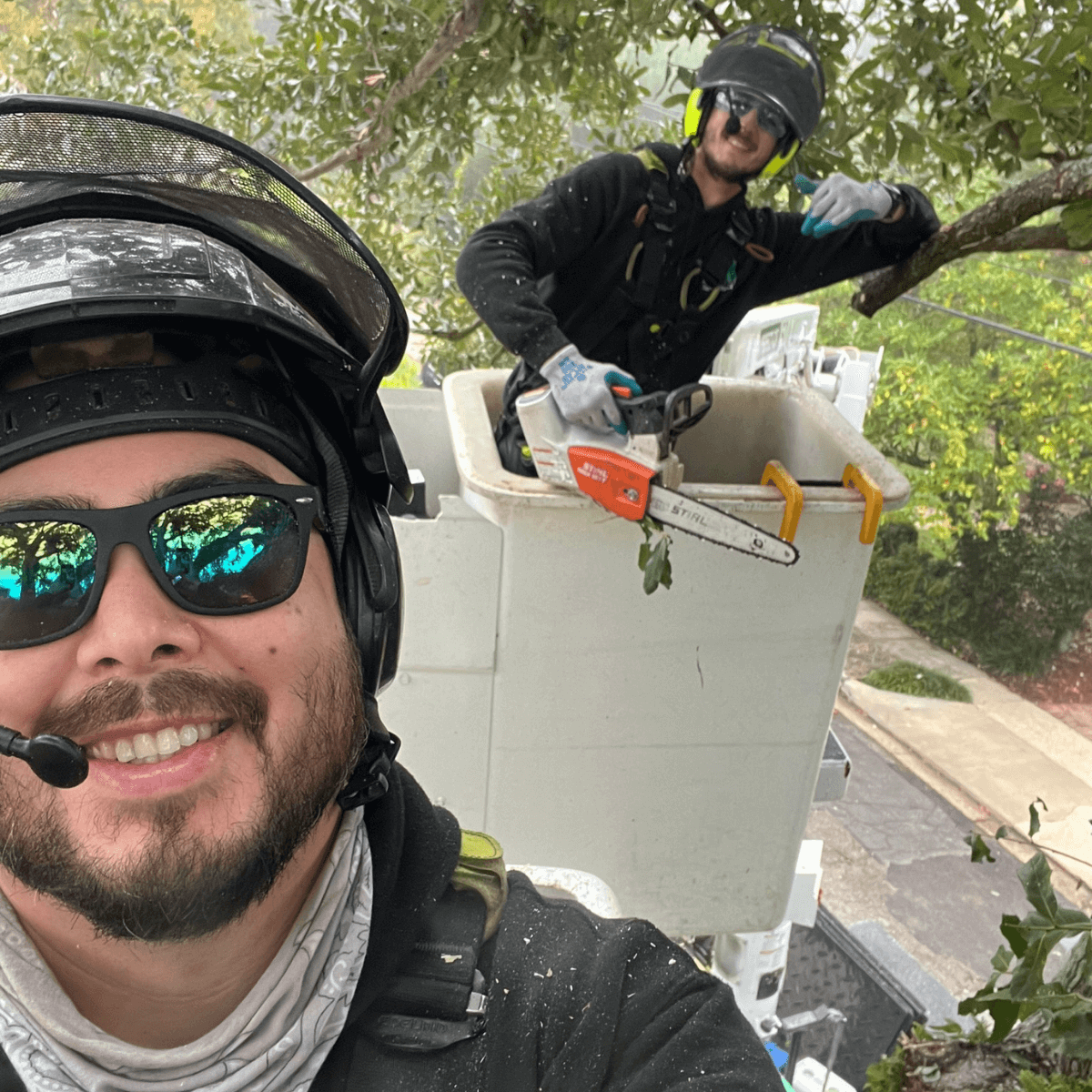


Trees do a lot of quiet work around a property. They soften summer heat, frame a yard, cut glare, and make a house feel established. In Metairie, they also take a beating. Saturated soil, hurricane season, sudden wind events, long humid stretches, termites, fungal decay, and years of uneven pruning can turn a healthy-looking tree into a serious liability faster than most property owners expect.
That is why safe tree removal Metairie services matter. Removal is not simply about cutting wood until the trunk falls. It is a technical job that blends arboricultural judgment, rigging skill, site protection, equipment control, and risk management. When it is handled well, the property stays intact, nearby structures stay protected, and the owner avoids the kind of damage that can cost far more than the removal itself.
People often call for tree work only after a limb has dropped on a fence or a trunk has started leaning after a storm. By that point, the situation is already more expensive and more dangerous. The better approach is to understand what safe removal actually involves and why it has a direct impact on your home, your insurance exposure, your landscape, and even your future property value.
Metairie properties create tight, high-risk work zones
Tree work in an open rural lot is one thing. Tree work in an older Metairie neighborhood is another. Homes are often close together. Driveways are narrow. Fences, sheds, pools, service lines, ornamental plantings, and parked vehicles leave little room for error. A tree that appears easy to remove from the street can become a highly technical operation once a crew steps into the backyard and sees the full picture.
One mature oak branch can weigh hundreds of pounds. A large trunk section can weigh much more than it looks, especially when the wood is green and wet. If that weight swings the wrong way, it does not just dent a gutter. It can break a roofline, crush a fence, tear down utility lines, crack hardscape, or injure anyone standing below. That is why professionals break a tree down in controlled sections and lower material carefully when space is limited.
I have seen property owners focus almost entirely on the final stump or the amount of debris in the yard. Those are understandable concerns, but the real question starts earlier: how will each cut behave under tension and compression, where will each piece travel, and what stands in its path if something shifts unexpectedly? Safe removal is the art of answering those questions before the saw starts.
The biggest dangers are not always obvious
A tree does not have to be dead to be unsafe. Some of the most hazardous removals involve trees that still carry green leaves and look relatively stable from the curb. Internal decay, root failure, lightning damage, hidden cracks, hollow trunks, codominant stems with weak unions, and soil movement can all compromise structural integrity without announcing themselves clearly to an untrained eye.
In south Louisiana conditions, root systems often struggle in ways homeowners do not immediately connect to visible tree decline. Repeated saturation can weaken anchorage. Construction damage can sever roots years before the tree shows stress. Fill dirt changes oxygen levels around the root flare. Improper mulch depth can trap moisture against the trunk and invite decay. By the time the canopy starts thinning or the bark begins sloughing off, the tree may already be on borrowed time.
Storm damage is another area where experience matters. After a major wind event, a tree can look like it survived well enough. Then you notice one side of the root plate has lifted slightly, or a scaffold limb has twisted and is hanging by fibers. Those fibers can hold tension like a loaded spring. Cutting into that without understanding load dynamics can be extremely dangerous. Safe crews read wood movement, identify stored energy, and use positioning and rigging methods that reduce the chance of sudden release.
Removal protects more than the tree’s immediate footprint
When homeowners hear "tree removal," they often think only about the tree itself. In practice, the scope is much wider. A poorly executed removal can damage almost every major part of a property.
The roof is the obvious concern, but it is hardly the only one. Branches can scrape shingles loose, crush gutters, or punch through older decking. Siding can crack. Windows can shatter from smaller falling wood than most people assume. Underground irrigation and drainage lines can be crushed by heavy equipment if access is not planned carefully. Decorative pavers and concrete can break under repeated impact. Even lawn damage matters more than people realize, especially on properties where drainage is already touchy and rutting creates long-term standing water problems.
Then there is the issue of neighboring property. In many Metairie neighborhoods, the line between your risk and your neighbor’s risk is very thin. A tree overhanging a shared fence or leaning toward an adjacent driveway raises both practical and legal concerns. Safe removal reduces the chance of disputes because it is designed around control, communication, and documentation.
Why “just trim it back” is not always the right call
Many owners would prefer to prune heavily rather than remove a tree, and that instinct makes sense. Mature trees add beauty and value. Shade matters in this climate. Removal is often the last resort, not the first. But there are cases where repeated trimming becomes the costlier and less responsible path.
A tree with a failing root system cannot be made safe by reducing canopy weight alone if the anchorage problem is advanced. A trunk with significant internal decay may still produce leaves, but its structural reliability is compromised. A tree planted too close to a house may have outgrown the site completely. Large limbs rubbing against the roof year after year can become a recurring maintenance issue, and aggressive topping or over-thinning only creates new weak regrowth and further stress.
Good tree care involves judgment, not reflex. Sometimes preserving a tree is exactly the right move. Sometimes removal prevents a much larger loss. The value lies in having someone on site who can distinguish between the two.
What professional removal crews do differently
The difference between a professional operation and a casual one becomes clear within minutes of arrival. Reputable crews do not walk up, rev a chainsaw, and start cutting from the bottom. They assess the tree, the lean, the canopy distribution, the decay indicators, the drop zones, the rigging points, the access path, and the site obstacles. They consider weather and wind. They identify where material can be staged and how equipment will move without damaging the property.
The best teams also communicate well. One crew member is not guessing what another intends. There is a plan for each phase, from climbing or lift access to brush handling, log removal, and cleanup. That coordination matters because tree work is a chain of dependencies. A bad cut early in the job can create a dangerous and expensive problem later.
Some removals are straightforward. Others require piecing out a tree over a garage, above a patio cover, between service drops, or across a narrow side yard where no standard bucket truck can fit. In those situations, safe removal becomes a matter of technique. Sections may need to be tied off and lowered by rope. Limbs may need to be redirected to avoid a greenhouse, a generator pad, or a newly installed fence. Heavy wood may need to be craned or carefully blocked down if the trunk cannot be felled in one piece. None of that is dramatic when done well, which is exactly the point.
Insurance, liability, and the cost of getting it wrong
Homeowners sometimes compare tree removal prices as if they are shopping for identical products. They are not. A lower bid may reflect less insurance, weaker equipment, less experienced labor, or a shortcut-heavy approach to safety. Those savings disappear quickly if the job results in property damage or injury.
Liability in tree work can get messy. If an uninsured or underinsured operator damages a roof, driveway, fence, or neighboring structure, recovering losses may become difficult. If a worker is injured on your property and coverage is inadequate, that can create further complications. Even without a major incident, a sloppy removal can leave ruts, stump hazards, debris piles, or partially damaged limbs that fail later.
There is also the insurance side of preventive action. Carriers increasingly pay attention to obvious property risks. A visibly hazardous tree hanging over a house is not just a landscape problem. It can become part of a claim dispute if preventable damage occurs. While every policy is different, addressing known hazards before a storm is usually the safer position.
Signs a tree may need removal sooner rather than later
Not every suspicious tree needs to come down immediately, but certain signs deserve prompt evaluation. A property owner does not need to diagnose the exact cause to recognize that something has changed.
- A new lean, especially after heavy rain or wind
- Large dead limbs in the upper canopy
- Cracks where major limbs join the trunk
- Mushrooms or obvious decay near the base
- Soil heaving or exposed roots on one side
Those conditions do not always mean instant failure, but they do mean the tree is no longer something to ignore until next season.
The hidden value of protecting the surrounding landscape
One irony of poor tree removal is that the tree may be the only thing that comes out cleanly. The rest of the yard suffers. I have seen healthy shrubs flattened by dropping brush, irrigation heads sheared off by dragging logs, and decorative beds compacted by repeated foot traffic and equipment where a little forethought would have prevented the damage.
A careful crew treats the whole site as the project, A Perfect Cut Tree Service tree removal metairie not just the trunk. They think about plywood or matting where equipment crosses soft ground. They choose staging areas that preserve access without destroying plantings. They lower brush in manageable pieces instead of crashing it into the understory. They rake, blow, and remove debris thoroughly enough that you are not finding wood shards in the lawn for weeks.
This matters for curb appeal, but it also matters for recovery time. A property should not need a second contractor just to repair the damage caused by the first one.
Stump decisions affect the long-term result
Tree removal does not end when the trunk is gone. The stump decision changes how usable and attractive the area will be afterward. Some stumps can remain without much consequence in naturalized areas. On a typical residential lot in Metairie, though, stumps often become obstacles. They interfere with mowing, invite sprouts, hold moisture, attract pests, and leave an unfinished look in a prominent part of the yard.
Grinding is the common solution, but even that comes with choices. Depth depends on the future use of the site. If the area will be replanted with turf, standard grinding may be enough. If the owner plans to install hardscape, build a small addition, or replant with another tree, more extensive root and soil planning may be needed. A good contractor talks through those realities instead of treating every stump the same way.
One practical note many owners appreciate hearing early: the grindings left behind are not the same as topsoil. They can be useful in some landscape applications, but if you intend to grow grass well in that area, the wood-rich material usually needs to be managed or amended properly.
Timing matters more than many homeowners realize
Emergency removals are part of life in storm-prone areas, but they are rarely the best scenario. When a tree is removed in calm weather under planned conditions, crews can work more efficiently, schedule the right equipment, and protect the property more thoroughly. Costs are often more predictable, and the work can be staged with less disruption.
By contrast, post-storm removals come with wet ground, limited access, power line concerns, tight contractor availability, and a higher general risk level. A tree that might have been removed cleanly in one day under normal conditions can become a much more complicated operation when it is split, partially uprooted, or tangled with another tree after severe weather.
There is a strong case for proactive inspections before hurricane season. That does not mean removing every mature tree out of fear. It means identifying the trees that pose outsized risk and addressing them while the work can still be done on your terms.
Choosing a service in Metairie requires local judgment
Tree species, soil behavior, neighborhood layout, and weather patterns are all local. That is one reason generic advice only goes so far. A company familiar with tree removal Metairie projects understands common site constraints and regional risk factors. They know how quickly a yard can turn soft after rain, what access challenges come with older subdivisions, and which tree forms tend to create repeat problems near homes.
Local experience also helps with communication. If a crew has worked repeatedly in similar neighborhoods, they are less likely to underestimate setup needs, traffic considerations, or neighbor coordination. They know that a backyard removal near overhead service lines requires a different level of caution than an open front-yard takedown with clear access.
When evaluating providers, the details worth discussing are usually practical rather than flashy. Ask how they plan to access the tree, what they will do to protect the lawn and surrounding plantings, whether rigging is required, how debris will be removed, and what cleanup includes. If the explanation is vague, that tells you something. If it is specific and measured, that tells you more.
What a strong estimate should make clear
A good estimate does more than state a total price. It gives the owner a realistic picture of the work and reduces misunderstandings later. At minimum, the scope should be clear enough that you know what is being removed, how the site will be handled, and whether stump work and debris hauling are included.
Here are a few details worth confirming before work begins:
- Whether the price includes haul-off and final cleanup
- Whether stump grinding is included or separate
- How access limitations might affect equipment choice
- What protections will be used for lawn, hardscape, or beds
- Whether permits or utility coordination are needed for this site
That short conversation can prevent many of the disagreements that happen after the tree is already on the ground.
Safe removal preserves property value in ways owners feel immediately
There is the obvious financial side, which is avoiding damage. But there is also a broader property-value effect. A house with a hazardous, neglected tree hanging over the roof looks risky to buyers. A yard scarred by careless removal looks poorly maintained. A property with clean sightlines, healthy remaining trees, and a properly finished removal reads as cared for.
This becomes especially relevant when a removed tree opens space around the home. tree removal metairie Suddenly the roofline is visible. Drainage improves because clogged gutters and leaf accumulation are reduced. Grass may grow better in some areas. Future maintenance becomes simpler. Sometimes owners are surprised by how much lighter, safer, and more usable the property feels once a problematic tree is gone.
That said, good removal should not leave the landscape stripped and harsh. The best outcomes come from balancing safety with aesthetics. Sometimes that means keeping adjacent trees and shaping them properly after a removal so the yard still feels settled and shaded. Sometimes it means replanting with a better-suited species in a more appropriate location.
The real measure of quality is control
When people describe a tree removal as successful, they usually talk about what did not happen. The fence was not hit. The roof stayed untouched. The azaleas survived. The crew finished without tearing up the lawn. The neighbors were not upset. The cleanup was complete. No one got hurt.
That is not luck. It is control.
Safe tree work is controlled from the first assessment to the last sweep of debris. It respects the weight of the wood, the limits of the site, and the value of the property beneath the canopy. In a place like Metairie, where weather and lot constraints can turn an ordinary removal into a technical challenge, that level of care is not a luxury. It is the standard that protects your home, your landscape, and your peace of mind.
For property owners weighing whether to act now or wait, the practical answer is simple. If a tree is showing signs of failure, crowding the house, or carrying storm-related damage, bring in a qualified professional and get a real assessment. Safe tree removal Metairie services matter because the stakes are never just the tree. They are the entire property around it.
A Perfect Cut Tree Service
4725 Shores Dr, Metairie, LA 70006
+1 504-732-0779
FAQ About tree removal metairie
What is the average cost of tree removal in my area?
There is no single price that fits every tree. Size, condition, access, nearby structures, equipment, debris hauling and stump work affect the estimate. Request a written, site-specific quote that identifies what is included.
Who will remove trees for free?
Free removal is not generally available for ordinary private-property tree work. Utilities or public agencies may handle trees within their responsibilities. Confirm eligibility directly and do not assume that an offer or assistance program covers your tree.
Can I just cut down a tree in my yard?
Check ownership, location and local requirements first. Jefferson Parish requires a permit for removal of qualifying vegetation in the public right-of-way, and additional protections may apply in designated areas. Ask the parish about your property and have a qualified tree professional assess the work.
Corrections
Spot something wrong? Send it to the desk and it gets fixed in the open.